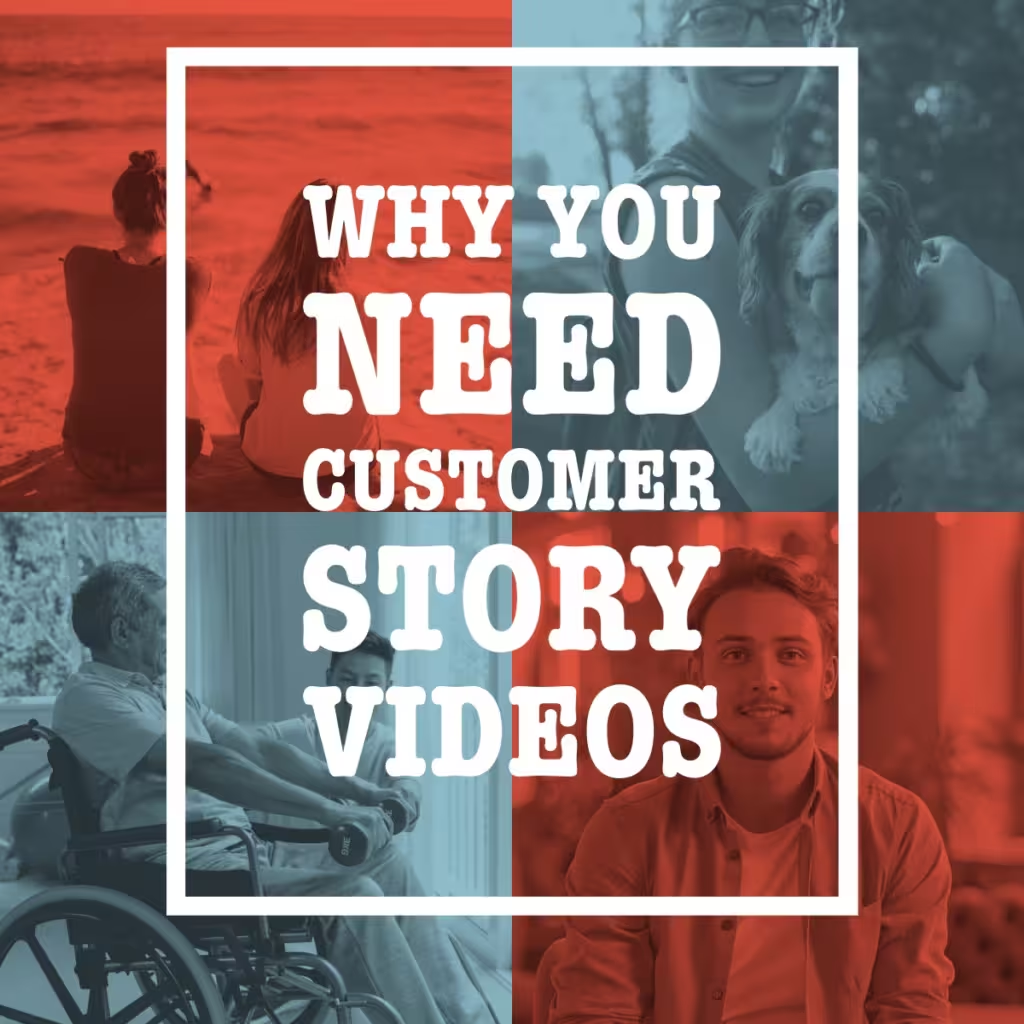
What is a Customer Story Video? I know it sounds like an incredibly silly question to ask, but do you really know what it means to have them or why you need them?
In today’s digital landscape, where consumers are constantly bombarded with content, making a lasting impression and building trust with your audience is more challenging than ever. Amid this content overload, one of the most effective ways to connect with potential customers is through customer story videos. These videos, which feature real-life testimonials and experiences, create a compelling story that resonates on a personal level.
But what does it take to produce a successful customer story video? Let’s break it down.
1. Authenticity: The Heartbeat of Your Customer Story
At the core of every great customer story video lies authenticity. Viewers can smell whether a story feels genuine or scripted, and that gut reaction can make or break their trust in your brand.
To capture authenticity, your customers need to speak candidly about their experiences with your product or service, even if some of the bits of the journey is not ideal or good. This means conducting interviews that allow them to share their journey in their own words, from the challenges they faced to how your solution helped them overcome those hurdles.
Pro Tip: Focus on capturing emotions and real-life scenarios, especially the sense of dread, fear, and relief in using your product or service. A story that feels genuine is relatable and evokes an emotional response—key ingredients for building trust and engagement.
2. Crafting a Story: Structure is Everything
Even the most authentic story needs a strong structure to keep viewers engaged from start to finish. A successful customer story video typically follows a straightforward yet effective narrative arc:
- Introduction: Briefly introduce the customer and the problem they were facing.
- Challenge: Delve deeper into the obstacles the customer encountered before finding your solution.
- Solution: Showcase how your product or service provided the answer to their problem.
- Outcome: Highlight the positive outcomes and how it impacted the customer’s life or business.
- Call to Action: Encourage viewers to take the next step—whether it’s learning more, visiting your website, or contacting your sales team.
We humans have used this storytelling structure since we first gathered around campfires to entertain and educate each other, so we know it works.
3. Visual Storytelling: Show, Don’t Just Tell
In video production, visuals are just as crucial as the narrative itself. A successful customer story video doesn’t rely solely on talking heads (not the 80s American Rock Band); it uses visuals to enhance and complement the story. This can include:
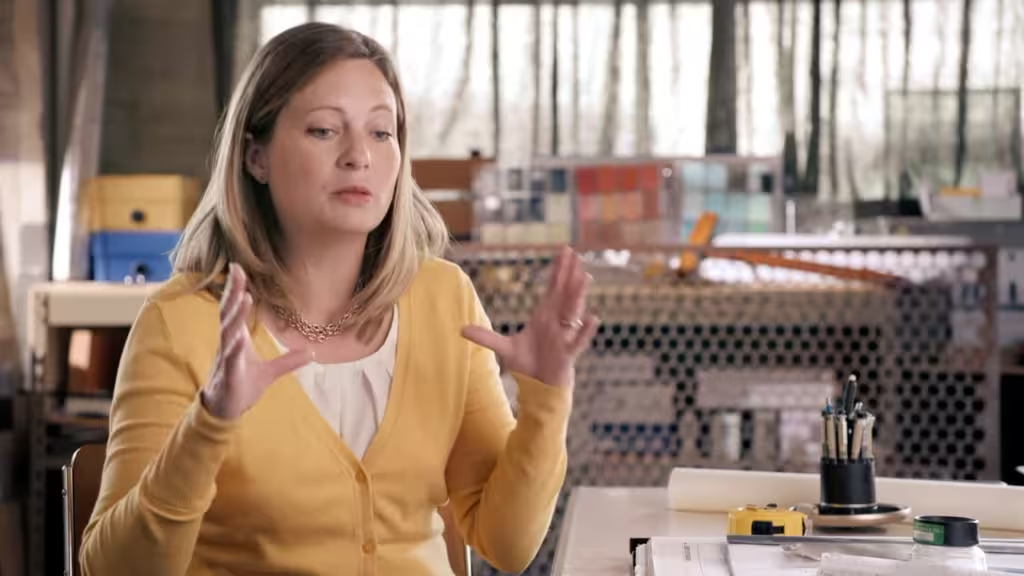
- B-roll footage of the customer interacting with your product or service. This, ideally, should be extensive to showcase your product or service, and how it was used.
- Visuals of the customer’s environment to provide context for their story. This is about finding the right environment for the interview, to very quickly showcase the customer’s business, what it does, who they are, and what they do. (See above image)
- Graphics or animations that emphasize key statistics or outcomes.
The goal is to create a visually engaging video that supports the customer’s story rather than just talking about it. A well-crafted visual narrative can keep viewers hooked and make the story more memorable.
Pro Tip: Use high-quality production equipment and get a professional editor who is familiar in documentary storytelling, to ensure your video is visually appealing and professional. However, don’t go overboard—maintaining the story’s authenticity is paramount.
4. The Sound of Success: Music and Audio Quality
Sound plays a critical role in setting the tone of your video. The right background music can evoke emotions and elevate the storytelling, while poor audio quality can distract from your message. Ensure that your audio is crisp, clear, and free of background noise. Choose music that aligns with the mood of the story without overpowering the customer’s voice.
Pro Tip: You may be tempted to remove the audio mixing line item on the quote provided to you in the production, but it does make a psychological difference for the viewer. The difference in audio quality can significantly impact the overall effectiveness of your video, even if many can’t physically tell the difference.
5. Distribution: Making Sure Your Story is Seen
Creating a powerful customer story video is only half the battle; getting it in front of your target audience is the next challenge. Here are some strategies for effective distribution:
- Social Media: Share your video on platforms where your audience is most active. Shorter versions or teasers can drive traffic to the full video. It is also very important to note that it is not just the length of the video that is important when putting out on various channels.
For example, studies show that viewers on TikTok or YouTube Shorts decide within the first 3 to 6 seconds whether they want to watch a video. So you want to re-edit your video to have a “Hook” in that first few seconds to draw the viewer into watching the rest of the 30 to 60 seconds. - Email Marketing: Incorporate the video into your email campaigns to engage your subscribers. It is often forgotten that videos can be and should be incorporated in email campaigns and newsletters. But newsletters that link to videos through an enticing thumbnails have better click through rates.
- Website: Feature the video on your homepage, product pages, or a dedicated testimonials section. You would also want to put the best testimonial on your landing page as it helps with lead generation and conversions.
- Sales Presentations: Equip your sales team with the video to help them close deals by showcasing real customer success stories.
Pro Tip: Optimize your video for each platform. For example, use captions for social media, where viewers often watch without sound, and different platforms have duration limitations for videos, and also format differences (i.e: Square video vs Landscape vs Portrait videos).
6. Measuring Success: Analytics and Feedback
Finally, it’s crucial to measure the success of your customer story video. Use analytics tools to track key metrics like views, shares, and engagement rates. Pay attention to feedback from your audience, and be ready to iterate on future videos based on what you learn.
Pro Tip: A/B test different versions of your video to see which resonates best with your audience. This could involve testing different intros, lengths, or calls to action. A good video agency should not just produce the testimonial video, but also help you review and tweak the videos after they have been launched.
That’s why we have our special 5 PLUS 1 bonus production process.
Conclusion
Customer story videos are a powerful tool for building trust and showcasing the real-world impact of your products or services. By focusing on authenticity, crafting a compelling narrative, and using high-quality visuals and sound, you can create videos that not only engage your audience but also drive conversions. Remember, the key to a successful customer story video isn’t just in the production—it’s in how you share it with the world.
If you are intrigued but do not have the time to work out all the details on making a fantastic Customer Success Story, which is something we have heard a lot over the past many years, then it is usually a good idea to hire a video agency to help you with it.
Just as your business is an expert in your field and provide products and tools to help other people or businesses work better, video agencies can help you manage the full process, to leave you to do what you do best, run your business.
Yes, it will be an expense, but it is an investment in making a “sales” tool that will continue to work for you for years to come. I have made case study videos that are still used 8 years later and it still works to warm up your leads.
Read the Guide on how to leverage testimonial and brand story videos to grow your business here.
If you want to know more about how we do it, book a time with us and let us know you:
Frequently Asked Questions
What is a customer story video?
A customer story video is a professionally produced video featuring a real client sharing their experience — the problem they had before finding your solution, what changed when they did, and the outcome they achieved. Unlike a simple testimonial, a customer story video follows a full narrative arc that gives your prospects a story they can see themselves in. When they see themselves in the before, they want the after.
What makes a customer story video authentic?
Authenticity comes from creating the right conditions for your client to speak naturally rather than performing for the camera. This means asking questions that draw out the real story, creating a comfortable environment, and avoiding over-scripting. Viewers can tell within the first ten seconds whether a testimonial is genuine or rehearsed. When someone feels obliged to say nice things, that is exactly what you get — nice things, not a story. The best customer story videos feel like a conversation, not a performance.
What structure should a customer story video follow?
Every great customer story video follows the same narrative arc. Introduction — briefly introduce the customer and the problem they faced. Challenge — the obstacles they encountered before finding your solution. Solution — how your product or service provided the answer. Outcome — the positive results and impact on their business or life. Call to Action — encouraging viewers to take the next step. This structure, sometimes called the Hero’s Journey or Problem, Solution, Outcome framework, works because your client is the hero, not you.
However, depending on the platform, you may want to introduce a strong hook before the story starts.
Why does audio quality matter in a customer story video?
Sound plays a critical role in setting the tone of your video. The right background music evokes emotions and elevates the storytelling, while poor audio quality distracts from your message. Even if many viewers cannot consciously tell the difference, audio quality makes a psychological difference that impacts the overall effectiveness of the video. Crisp, clear audio free of background noise is essential — and professional audio mixing is worth keeping in your production budget.
Where should I share my customer story video?
Customer story videos work best when matched to the right stage of the sales funnel. On your website, place them on your homepage, service pages, and case studies page where prospects are actively evaluating whether to contact you. Use shorter cuts on social media platforms like LinkedIn and Instagram to build awareness. Include them in email nurture campaigns to stay memorable to the 90% of prospects who are not ready to buy yet. Send a relevant customer story video before a sales call — it does the trust-building work before you even pick up the phone.